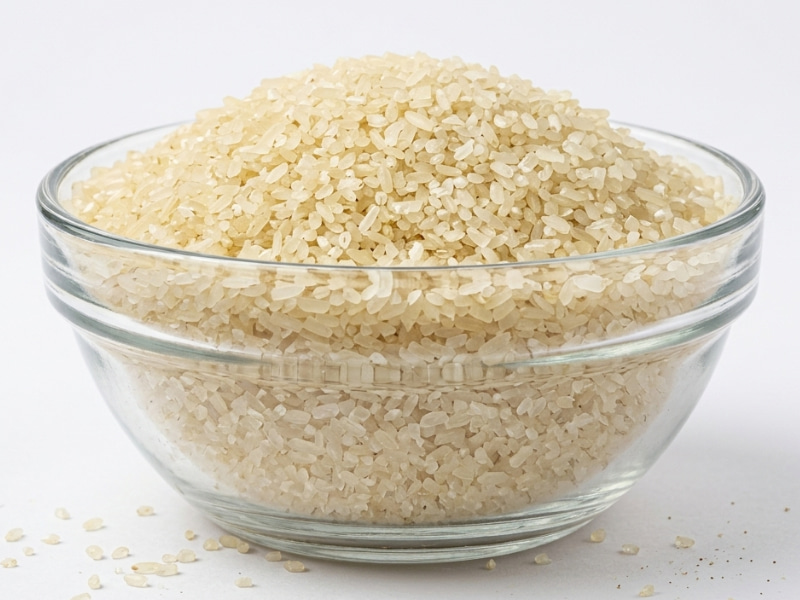
Broken Rice

More Than Just a By-Product of Rice Milling

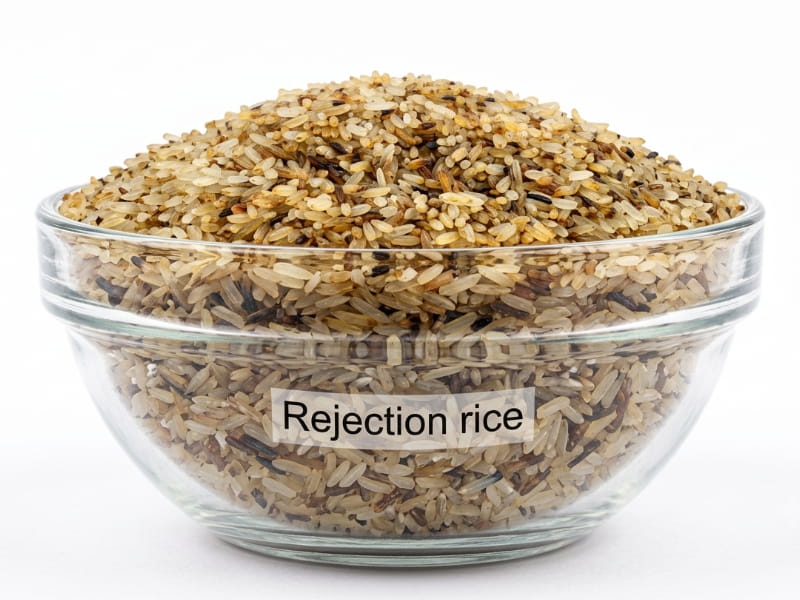
Broken rice consists of rice kernels that become broken or are separated into smaller pieces during milling and grading. While whole kernels are often preferred for their appearance, broken kernels remain a useful rice product with applications across food, feed and industrial processing. Their size and form can also make them suitable for processes where intact grains are not necessary.

Broken rice is the portion of milled rice separated from whole kernels by size or length. During milling, some grains naturally fracture as the husk and bran layers are removed. These smaller rice pieces are then graded and sorted according to size, quality, and their intended application.

  • Rice-Based Composition: Broken rice consists of the same basic rice kernel material as milled whole rice, making it suitable for applications where grain shape is less important.
  • Different Size Fractions: Broken kernels can vary in size, from larger pieces to smaller fragments, depending on the milling and grading process.
  • Versatile Processing Material: Its smaller size makes broken rice practical for grinding, cooking, fermentation and other processing applications.

  • Practical for Processing: Broken kernels work well in applications where whole-grain appearance is not an essential requirement.
  • Supports Better Grain Utilisation: Using broken fractions creates value from more of the rice obtained during milling rather than relying only on whole kernels.
  • Suitable for Multiple Industries: Broken rice can serve food, feed and industrial requirements depending on its grade, quality and intended use.

  • Food and Ingredient Processing: Broken rice can be cooked directly or milled into flour and other rice-based ingredients. Its form can make it useful in processed food applications where uniform whole kernels are not necessary.
  • Animal Feed: Broken rice Uses also extend to feed applications. It is used as an ingredient in animal and poultry feed, with demand influenced by its suitability and relative cost compared with other feed grains.
  • Brewing and Industrial Processing: Smaller rice fractions can be used in brewing and other industrial processes. Broken rice may also serve as a raw material for flour, starch and fermentation-based applications.

When evaluating broken rice, important factors include kernel size, percentage of broken material, moisture, cleanliness, foreign matter and the intended end use. Consistent grading and suitable storage conditions can also influence handling and processing performance.

Broken rice shows how a fraction separated during rice milling can remain commercially useful across several applications. Saha Solvex includes broken rice among its rice-related products and by-products, helping businesses assess its suitability for their specific processing or application needs.