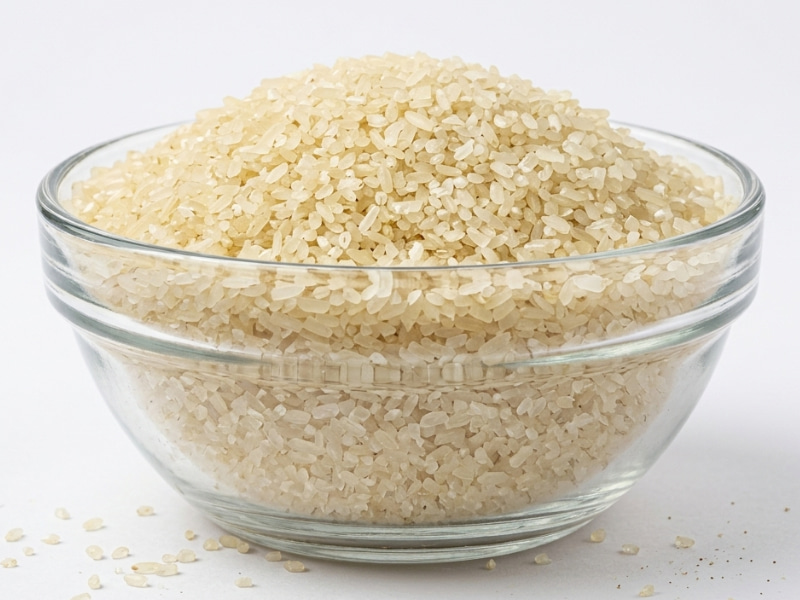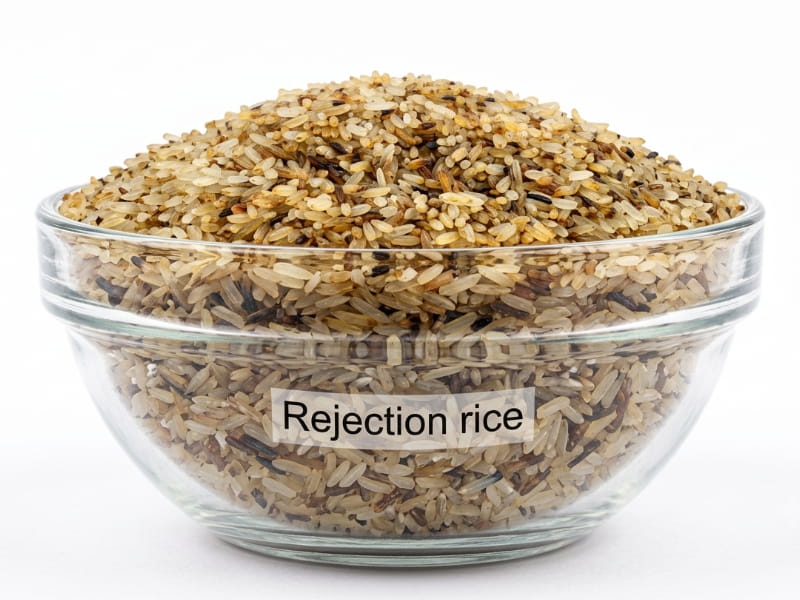
Rejection rice refers to rice that does not meet the specific size, appearance, quality, or grading requirements set for a particular rice specification. Rather than being a completely different type of grain, it generally represents a fraction separated during sorting and grading. Its exact composition can vary depending on the rice variety, milling process, and quality criteria applied.
Rejected rice can include grains that fall outside the desired standards for factors such as colour, size, shape, or other quality parameters. During rice processing, grading and sorting equipment separates these fractions from rice intended for a higher or more specific grade. The resulting rejection rice may then be directed towards applications where appearance or uniformity is less critical.
Because “Rejection Rice” is a broad commercial term rather than one fixed specification, buyers should examine the actual grade carefully. Important considerations include rice variety, grain size, broken percentage, discolouration, moisture, foreign matter, cleanliness, and intended application. Specifications can differ significantly between lots and suppliers.
Rejection rice demonstrates how rice separated during grading can still have value when matched with an appropriate end use. Saha Solvex includes rejection rice within its range of rice-related products, allowing businesses to assess the material according to their individual processing and application requirements.