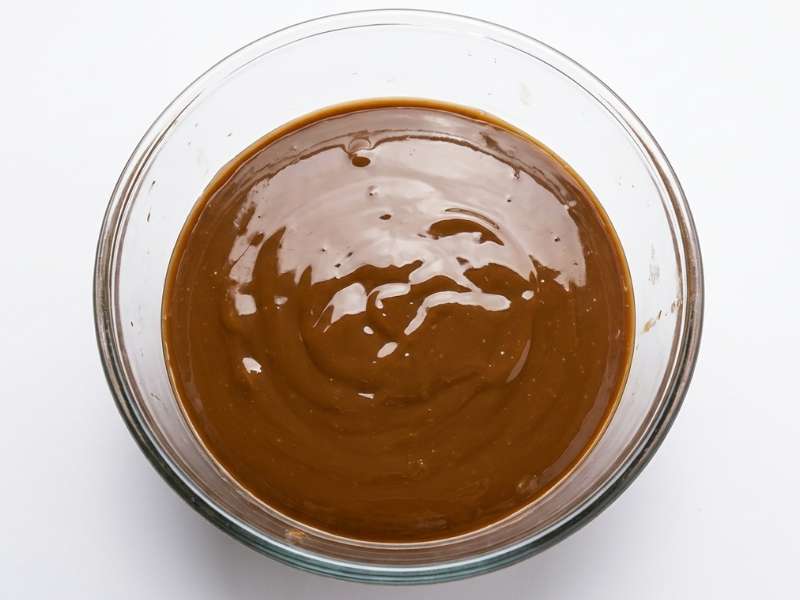
Rice Bran Gum

Understanding This Valuable Oil-Refining By-Product

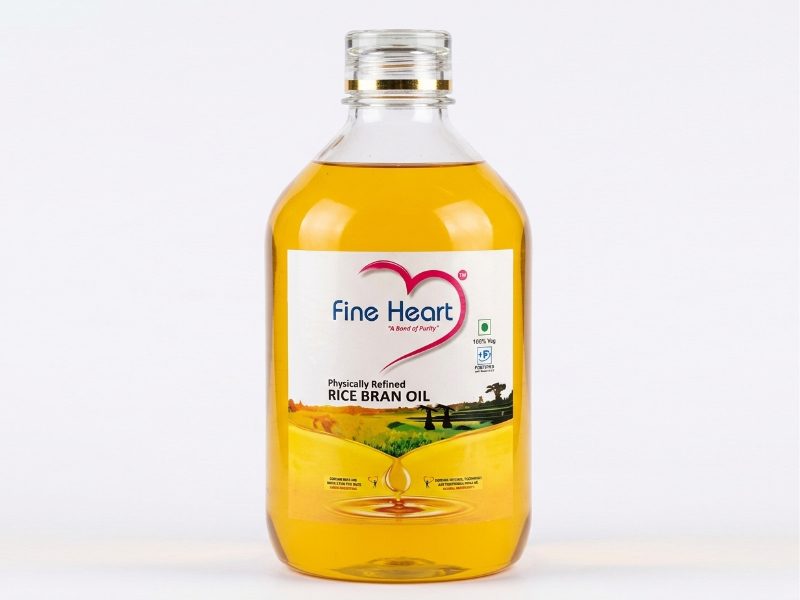
Rice Bran Gum is a by-product obtained during the degumming of crude rice bran oil. Although it separates from the oil during refining, this gum fraction contains valuable components, particularly phospholipids, that support further processing and ingredient recovery. Understanding its origin, characteristics, and potential uses helps businesses assess where Rice Bran Gum can fit into their processing or sourcing requirements.

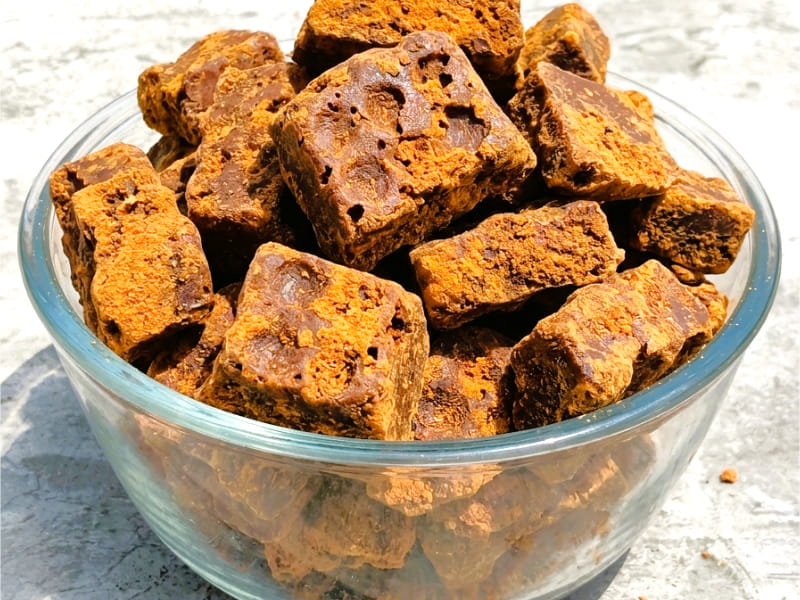
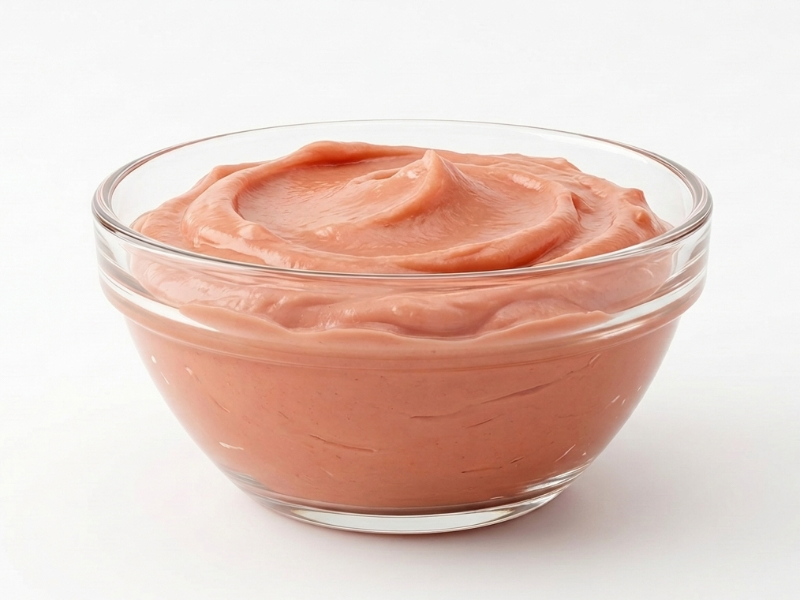
Rice Bran Gum, also referred to as Rice Bran Oil Gum, is the gum-rich material separated from rice bran oil during the degumming stage of refining. Degumming removes phospholipids and other non-triglyceride components from crude oil so that the oil can move through subsequent refining stages more effectively. The separated material is commonly referred to as gum or gum sludge.

During degumming, the compounds that can be hydrated or otherwise separated from the oil are brought together and removed. The resulting gum fraction contains phospholipids along with other associated components, and further processing can be used to recover more refined materials from it.

  • Phospholipid-Rich Composition: Rice Bran Gum is mainly associated with phospholipids, giving it potential value as a source of functional lipid compounds and lecithin.
  • A Recoverable Refining Fraction: Instead of viewing the gum solely as a waste stream, it can be considered a recoverable by-product of rice bran oil processing with opportunities for further utilisation.
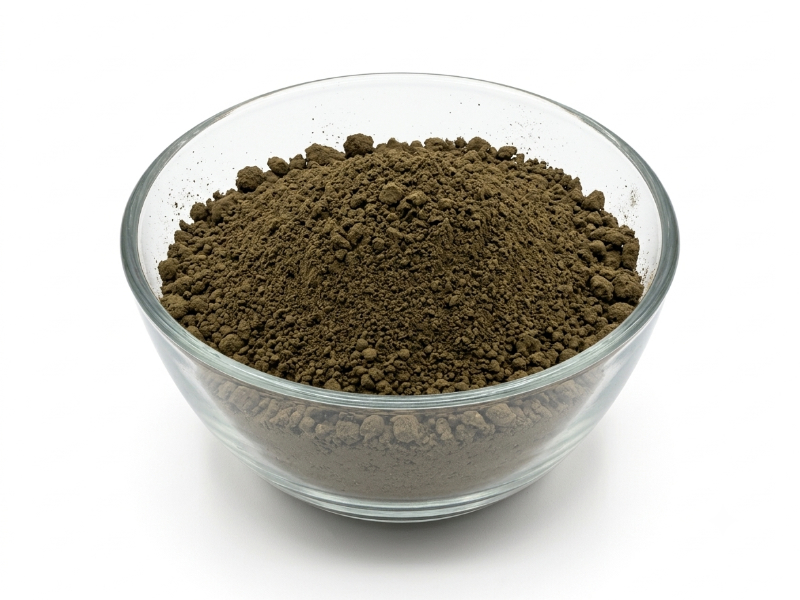
  • Suitable for Further Processing: Research has explored bleaching and other processing approaches to convert rice bran gum into more refined phospholipid-rich ingredients, including powdered rice bran lecithin.

  • Supports By-Product Utilisation: Recovering useful components from Rice Bran Gum can improve the overall utilisation of materials generated during rice bran oil refining.
  • Provides a Lecithin Resource: Its phospholipid content makes Rice Bran Gum a potential starting material for rice bran lecithin production.
  • Offers Scope for Value Addition: Further separation and purification can create more specialised materials for applications where phospholipids are required.

  • Lecithin and Phospholipid Recovery: One of the most relevant Rice Bran Gum Uses is the recovery of phospholipids and production of rice bran lecithin. Research has investigated its suitability as an alternative botanical source of lecithin.
  • Food-Related Ingredients: Processed rice bran gum can contribute to the development of phospholipid-based ingredients for food applications, depending on the resulting grade, composition, and regulatory suitability.
  • Cosmetic and Pharmaceutical Research: Rice Bran Gum Applications also extend to research into phospholipid ingredients for cosmetic and pharmaceutical formulations. Further purification and specification are important for these more specialised uses.

The suitability of Rice Bran Gum depends on factors such as phospholipid content, moisture, oil content, colour, consistency, processing history, and the intended downstream application. Buyers should also consider whether the material is supplied as crude gum or has undergone additional purification or treatment.

Rice Bran Gum shows how an oil-refining by-product can offer opportunities for further recovery and value addition. Saha Solvex can help visitors understand the product and its relevance within the wider range of rice bran oil derivatives.