Spent Earth

Understanding a By-Product of Rice Bran Oil Refining

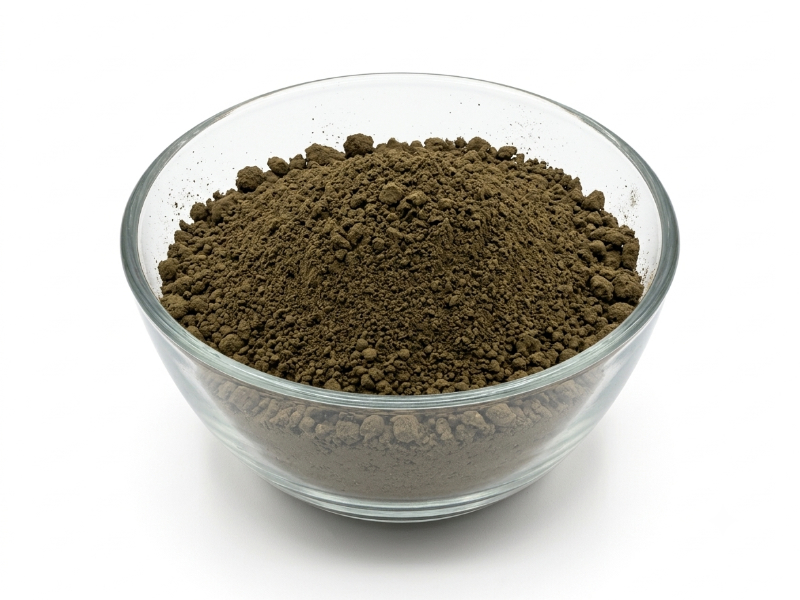
Spent Earth is a solid material generated during the bleaching stage of physically refined rice bran oil processing. Fresh bleaching earth is added to the oil to adsorb unwanted colour pigments, impurities, and other compounds. Once it has performed this function, the adsorbent becomes known as spent bleaching earth. Because it retains both the clay material and oil removed or entrained during refining, it can have value beyond simple disposal.

Spent Earth, commonly called Spent Bleaching Earth, is the used bleaching clay separated from oil after the bleaching process. Its exact composition can vary depending on the type of bleaching earth used, the oil being refined, and the refining conditions. However, it generally consists of clay-based adsorbent material together with residual oil and substances captured during bleaching.

  • Residual Oil Content: Spent Earth retains oil after the bleaching stage, which can make oil recovery an important area of further utilisation.
  • Adsorbent Clay Base: The material contains the clay used to remove colour and other impurities from the oil during refining.
  • Composition Varies by Process: Its properties depend on the type of bleaching earth, oil source, refining conditions, and the materials adsorbed during processing.

  • Supports Resource Recovery: The residual oil present in Spent Earth can potentially be recovered through suitable extraction processes rather than being treated only as waste.
  • Creates Scope for Recycling: Research has examined regeneration and reuse of spent bleaching earth, including its potential use as an adsorbent after appropriate treatment.
  • Improves By-Product Utilisation: Finding suitable applications for Spent Earth can help make better use of materials generated during edible-oil refining.

  • Oil Recovery: One of the key Spent Earth Uses is recovering residual oil trapped within the spent clay. Solvent extraction and other recovery techniques have been studied for this purpose.
  • Regeneration and Adsorbent Applications: Bleaching earth recycling can involve thermal, chemical, or other treatment methods designed to restore some of the material’s adsorptive properties.
  • Energy and Material Recovery: Research has also explored the use of spent earth for fuel, briquettes, biodiesel production, and other material-recovery routes. These applications require appropriate processing and technical evaluation before commercial use.

Spent Earth should be evaluated according to its source, residual oil content, moisture, clay characteristics, contaminants, and intended application. Handling and storage also require attention because oil retained in spent bleaching earth can oxidise and create a fire risk.

Spent Earth demonstrates that materials generated during rice bran oil refining can have opportunities for recovery, recycling and further utilisation. Saha Solvex includes Spent Earth within its range of rice bran oil-related by-products, helping visitors understand its characteristics and potential industrial relevance.