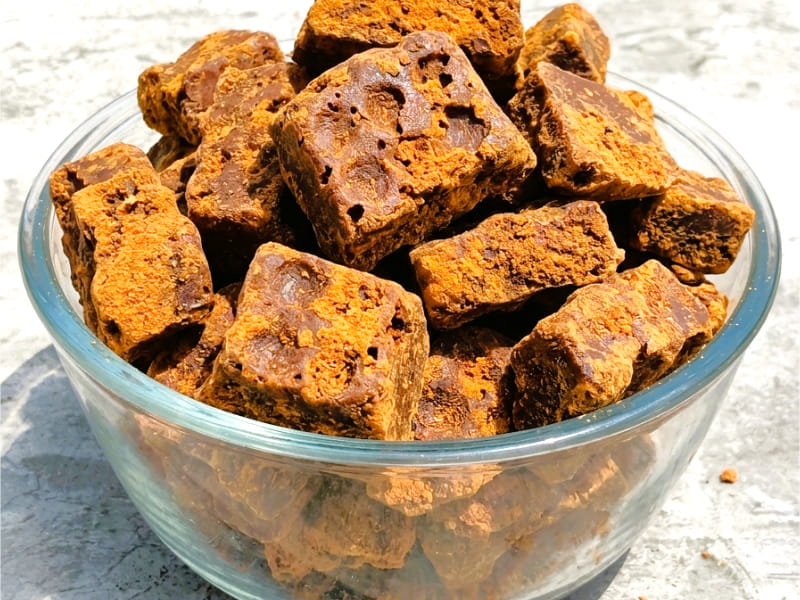
Wax

A Valuable By-Product of Rice Bran Oil Refining

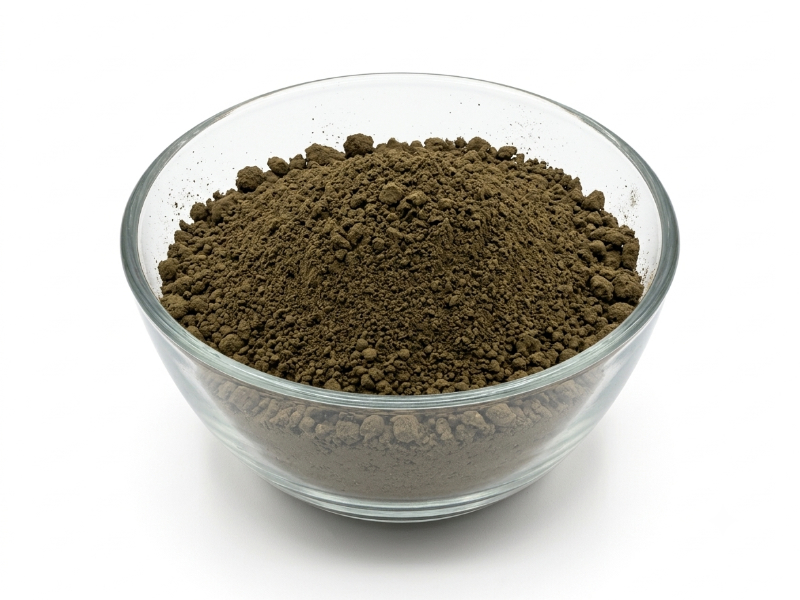
Rice Bran Wax is a natural wax fraction obtained during the refining and dewaxing of rice bran oil. Rather than treating this fraction as a refining residue, it can be recovered and processed for use in a range of food, cosmetic, pharmaceutical, and industrial formulations. Its composition and physical properties make it a useful plant-based wax for applications that require structure, hardness, or oil-binding properties.

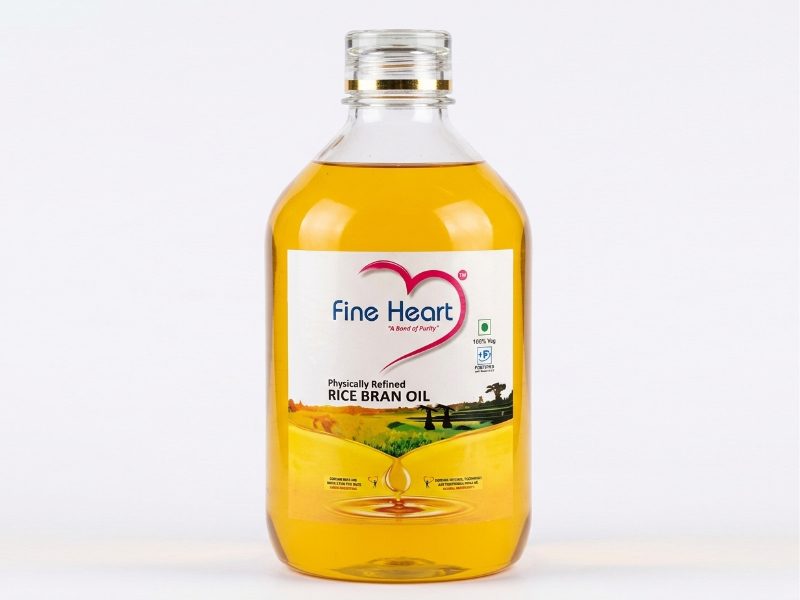
Rice Bran Wax, also known as Rice Bran Oil Wax, is separated from rice bran oil during dewaxing. Rice bran oil naturally contains waxes that can crystallise at lower temperatures, making their removal an important part of refining. Cooling allows the wax to form crystals, which can then be separated from the oil through filtration or related separation methods.

  • A Naturally Derived Wax Fraction: The separated material contains long-chain fatty acids, higher alcohols, and wax esters. This composition contributes to its characteristic hardness and thermal behaviour.
  • Firm Structure at Higher Temperatures: Refined rice bran wax has a relatively high melting range, which helps it provide structure in formulations where greater heat resistance or firmness is required.
  • Suitable for Further Processing: Crude wax can be further refined, including processes that remove oil and resinous matter and improve its colour and overall quality for specific applications.

  • Helps Add Structure: Its firm physical character allows Rice Bran Wax to contribute body, consistency, and stability to suitable formulations.
  • Works Across Different Formulations: The wax can be incorporated into various oil-based and surface-related formulations, depending on its grade and required performance.
  • Creates Value from Rice Processing: Recovering the wax fraction gives another useful application to a material separated during rice bran oil refining, supporting better utilisation of the overall processing stream.

  • Food-Related Formulations: Refined rice bran wax has been studied for food applications including edible coatings, oleogels and structured lipid systems.
  • Cosmetics and Personal Care: Rice Bran Wax Uses include cosmetic formulations such as creams, lotions, mascara, and other products where a firm or structuring wax is required.
  • Industrial Products: Its applications also extend to candles, paper and surface coatings, printing inks, polishes, adhesives, lubricants and other industrial formulations.

The right rice bran wax should be evaluated according to its intended application. Factors such as grade, purity, colour, melting behaviour, consistency and processing history can affect how the material performs. Storage and handling should also be considered based on the product specification and end use.

Rice Bran Wax demonstrates how a by-product of rice bran oil refining can become a useful material for diverse applications. Saha Solvex presents this product as part of the broader value available from rice processing and its related derivatives.