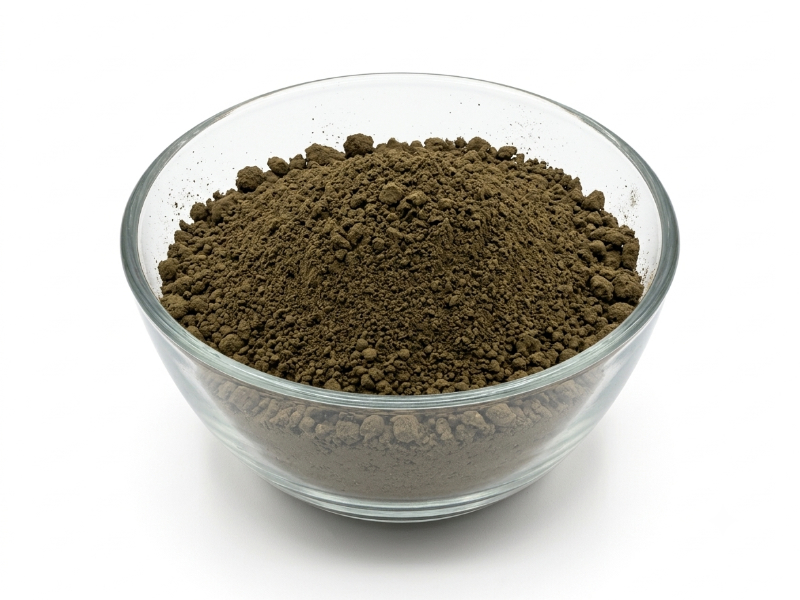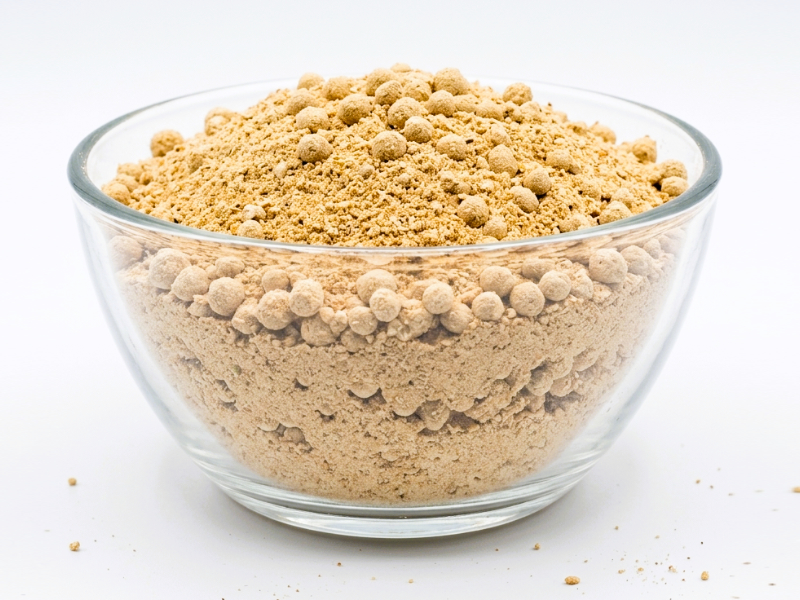
De-oiled rice bran, commonly known as DORB, is produced after oil is extracted from rice bran. What remains is a dry, nutrient-rich material widely used as an animal feed ingredient. Its role in the rice and oil processing industry makes DORB more than a by-product. It is a useful resource with applications across livestock and feed production.
For feed manufacturers and bulk buyers, the quality and consistency of DORB can directly influence how effectively it fits into different formulations.
Rice bran is obtained during the milling of rice and naturally contains oil along with protein, fibre, and other components. When the oil is extracted, the remaining bran becomes de-oiled rice bran.
The de-oiling process changes the composition of the original bran while leaving behind a material that can be incorporated into feed formulations.
The quality of the de-oiled rice bran depends on:
DORB is essentially the solid fraction remaining after oil extraction from rice bran. Once the oil has been separated, the de-oiled material is processed and handled for use in downstream applications. Proper processing and storage are important for maintaining consistent product characteristics.
For commercial buyers, product consistency, moisture levels, fibre content, protein levels, purity, and reliable supply are important considerations. These parameters should always be evaluated against the requirements of the intended feed formulation.
This is where choosing an experienced DORB Manufacturer becomes crucial. An experienced manufacturer can help businesses source a product aligned with their technical and production needs.
De-oiled rice bran demonstrates how one stage of rice processing can create value for another industry. After rice bran oil extraction, the remaining material continues to serve a practical purpose in animal nutrition.
For Saha Solvex, DORB forms part of this interconnected rice and oil value chain, offering an industrial product for businesses looking for a suitable feed ingredient.