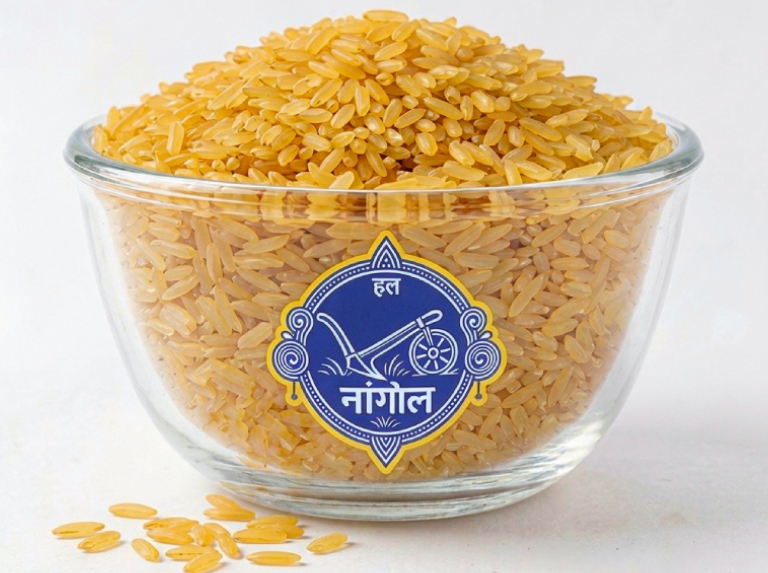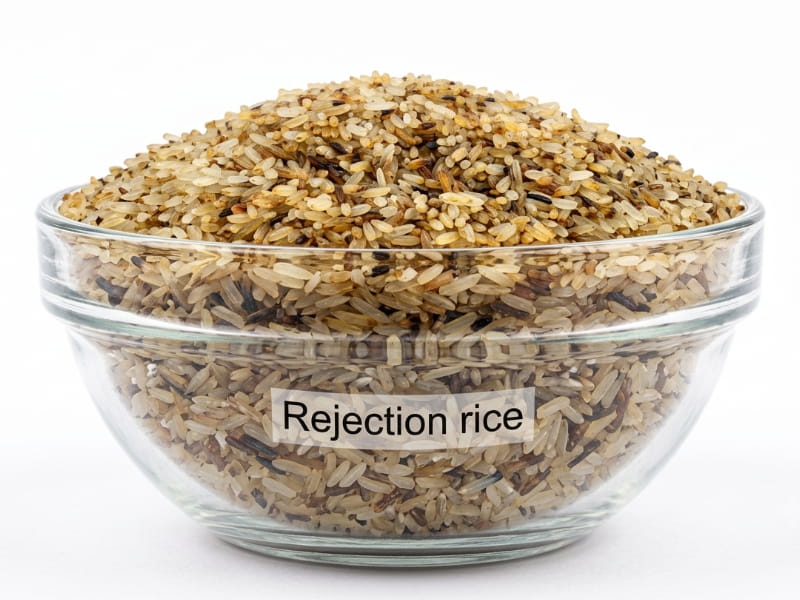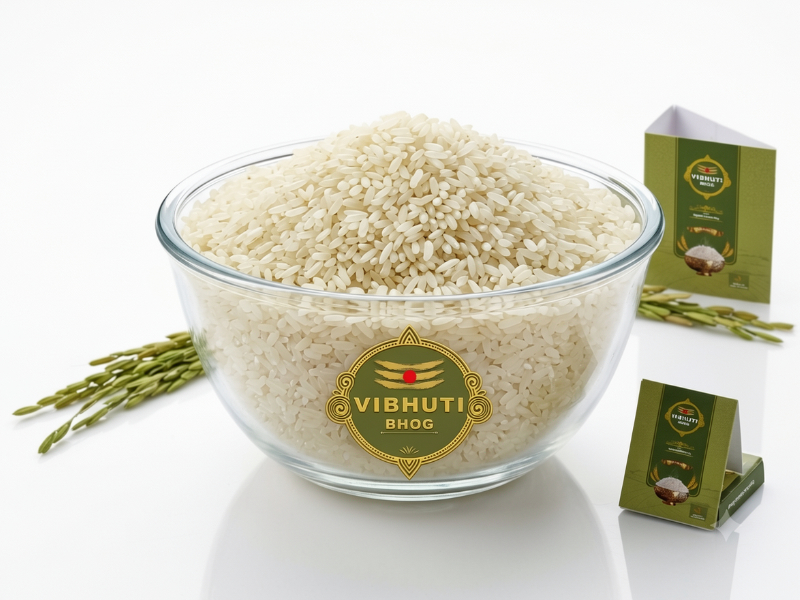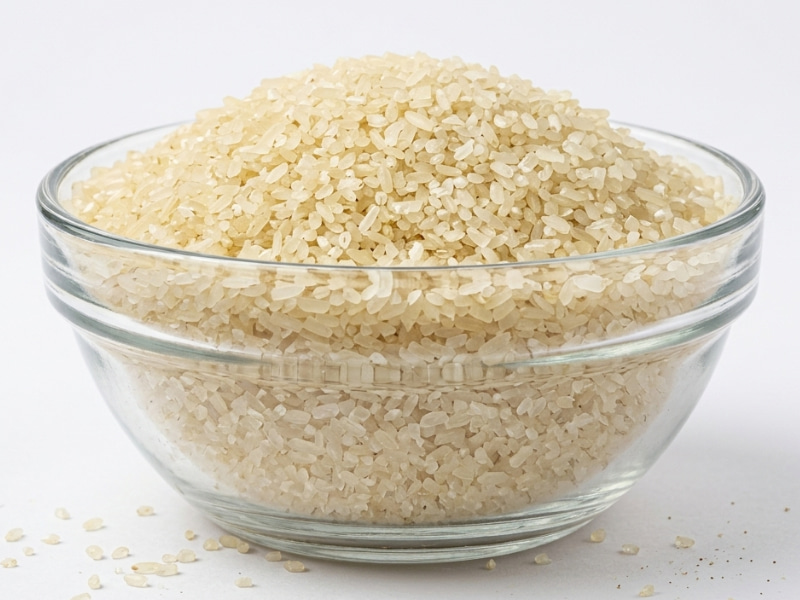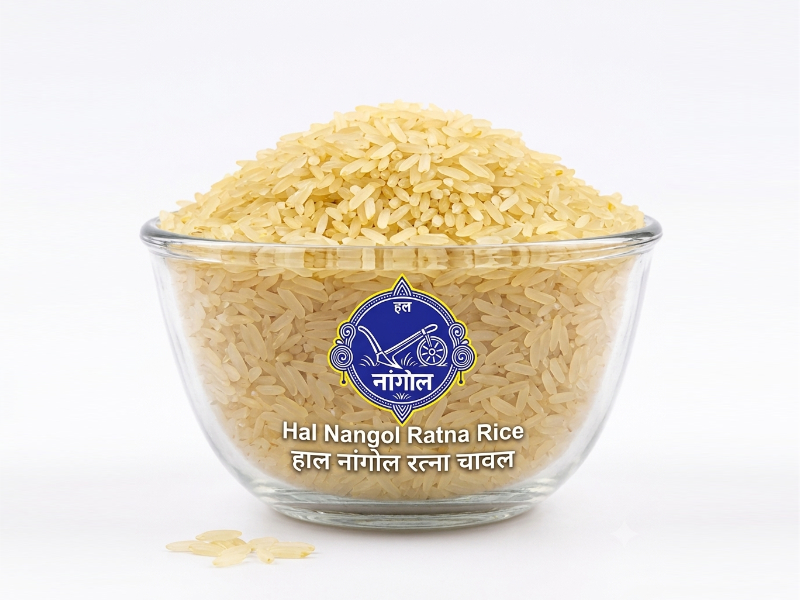
Parboiled Rice is valued for its firm texture, distinct grains, and dependable cooking performance. But what exactly makes rice “parboiled,” how does the process affect the grain, and why is it a practical choice for households, food businesses, and commercial kitchens?
Parboiled Rice is produced by processing paddy through controlled soaking, steaming, and drying before milling. The treatment changes the structure of the grain, helping it retain its shape and reducing the likelihood of breakage during milling.
Once milled, the rice produces firmer, more separate grains when properly cooked. This makes it suitable for everyday meals as well as larger-scale food preparation. For buyers who value consistency in grain appearance, texture, and performance, parboiled rice offers a dependable option.
Despite its name, parboiled rice isn’t fully cooked before it reaches the consumer. Instead, the paddy undergoes controlled heat and moisture treatment before the husk and outer layers are removed through milling. This process helps nutrients from the outer layers move further into the grain while also strengthening its structure.
Parboiled rice combines firm grain structure, consistent cooking performance, and versatility, making it a practical choice for both individual and commercial use. From paddy selection and parboiling to drying and milling, each stage can influence the quality and characteristics of the finished grain.
For businesses sourcing rice in larger quantities, choosing a reliable parboiled rice manufacturer is an important part of maintaining consistency across supply and production requirements. With Saha Solvex, buyers can evaluate the product based on its specifications, quality standards, and suitability for their intended applications.